
No one likes paying taxes. South Dakota’s tax system is often debated, frequently criticized, and periodically adjusted. Yet one important fact is often overlooked: by national standards, our state already has one of the strongest tax climates in America. The Tax Foundation recently ranked South Dakota among the most competitive state tax systems in the nation, thanks largely to the absence of a personal income tax and a relatively simple revenue structure.
That is an achievement worth recognizing. It means South Dakota should approach tax reform from a position of strength, not panic.
Unfortunately, recent legislative behavior suggests otherwise. Lawmakers have been tinkering with the tax system in response to vocal concerns over property taxes, but without an overall roadmap. The result has been piecemeal adjustments rather than thoughtful reform.
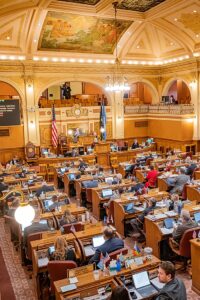
South Dakota Legislature
Property taxes are a legitimate issue in some parts of the state, but not everywhere. They are most acute in fast-growing communities where housing values have risen sharply, including places such as Sioux Falls and other expanding markets. In many rural or slower-growth areas, property taxes may be far less urgent than healthcare access, wages, workforce shortages, or basic affordability.
That distinction matters. A statewide tax system should not be repeatedly reshaped based on a challenge that is serious in some regions but not universal across the state. When policymakers react to headlines rather than data, they risk shifting burdens unfairly, creating complexity, and neglecting broader priorities.
South Dakota’s current model still has much to recommend it. Sales taxes provide dependable revenue and capture spending by tourists and visitors. Property taxes help fund schools, counties, and municipalities. The state’s no-income-tax structure remains a major competitive advantage.
But strengths should not become excuses for drift. If South Dakota wants to remain competitive and fair, it needs a comprehensive strategy guided by long-term principles: simplicity, stability, growth, and taxpayer fairness.
Here are five reforms worth considering:
- Create a tax modernization commission.
A bipartisan panel of citizens, economists, and legislators should review the entire system and recommend reforms based on evidence. Many other states do something like this. - Eliminate the sales tax on groceries.
Taxing groceries hits working families and seniors hardest. Removing it would provide broad relief in a simple, visible way. Voters turned down a poorly worded initiative along these lines in 2024, but the concept appeared popular with many. Only one other state (Mississippi) taxes groceries. - Target property tax relief where pressure is greatest.
Focus relief on owner-occupied homes, seniors, and communities experiencing exceptional valuation spikes. - Give cities more local flexibility.
Growing communities such as Sioux Falls and Rapid City need more voter-approved local tools for infrastructure and public safety, reducing overreliance on property taxes. - Improve transparency.
Taxpayers deserve clear annual explanations of where their money goes and how proposed changes shift burdens.
South Dakota has a good tax system. It is not perfect. Changes should be thoughtfully considered from a big picture perspective. The state needs leadership willing to stop playing politics and start planning.
Mr. Kirby’s five reform recommendations would all be good for our state.
His proposal about our legislature stepping back and taking a longer, planned view of taxation, rather than being motivated by reflex, would pay large dividends over time.
Mr. Kirby is correct. the property tax frustration is in NOT universal.
Legislators would be wise to allow more options for cities, schools, and counties to fund LOCAL services. We need creativity not mandates and shortsighted tinkering.
I put a caboose on Mr Byrne’s comment.